Grape Seed Extract
A well-characterised antioxidant with genuine, if modest, human research on blood vessels.
Why Grape Seed Extract Is in JellyBlue
Vitis vinifera (OPCs). A source of oligomeric proanthocyanidins with genuine antioxidant activity and some human research on blood pressure and vascular function. This page covers what it is, where its research genuinely sits, its role in the formula and the cautions attached to it.
The JellyBlue amounts are not published — and the format makes that matter
All six ingredients are named. Not one amount is published anywhere, while the source simultaneously describes "optimal therapeutic doses" and "clinically-informed dosing". Those two things cannot both be checked.
In a gummy this matters more than it would in a capsule. A gummy is mostly gelling agent, sweetener and flavouring, and a typical one weighs only a few grams in total, leaving a small fraction for actives. The research doses for several of these ingredients are large. L-arginine trials commonly use several grams per day. Maca studies often use 1.5–3 g. Ashwagandha trials typically use 300–600 mg of extract, and tongkat ali 200–400 mg.
Adding those up exceeds what one gummy can plausibly hold. That does not mean the product contains nothing useful — but it does mean the claim of therapeutic dosing across all six ingredients in a single daily gummy is difficult to credit, and impossible to verify while no figures are published.
What Grape Seed Extract in JellyBlue Is
Grape seed extract is produced from the seeds of Vitis vinifera, the common wine grape — largely a by-product of winemaking.
Its active compounds are oligomeric proanthocyanidins, or OPCs: a class of polyphenol also found in pine bark, cocoa and some berries. Quality extracts state an OPC or total polyphenol percentage; the brand does not state one here.
OPCs have well-characterised antioxidant activity, and grape seed extract is among the better-studied polyphenol supplements.
The Research Context Behind Grape Seed Extract in JellyBlue
The evidence here is modest but genuine, which makes it easier to describe honestly than most.
Blood pressure. Meta-analyses of randomised trials have reported small reductions in systolic blood pressure with grape seed extract, with effects appearing more pronounced in younger participants and those with metabolic risk factors. The effect sizes are small, and doses across trials have varied widely.
Endothelial function. Some trials report improvements in measures of blood vessel function, which is mechanistically consistent with the blood pressure findings and relevant to the circulation claim.
Antioxidant activity. Well demonstrated in laboratory settings. The usual caveat applies: antioxidant capacity measured in a test tube does not reliably translate into a health outcome in a person.
The limitations. Trials are heterogeneous in extract type, dose and duration, effects are small where present, and none of this research involves a gummy containing an undisclosed amount.
Why Grape Seed Extract Is Included in JellyBlue
It supports the circulation and vascular side of the formula alongside L-arginine, and the pairing is coherent: one ingredient aimed at nitric oxide availability, another at the health of the vessels themselves.
Of the six ingredients, this is among the least oversold in the source's own copy, which is worth noting. The claims made for it — vascular protection, antioxidant support — are roughly what the evidence supports.
Safety Considerations for Grape Seed Extract in JellyBlue
Grape seed extract has a good safety record and is generally well tolerated.
- Bleeding risk. It may have mild antiplatelet activity, so mention it if you take anticoagulants or antiplatelet drugs, or have surgery planned. Note that L-arginine and epimedium in the same formula share this consideration.
- Blood pressure. Since it may modestly lower blood pressure, effects could add to antihypertensive medication.
- Allergy. Anyone with a grape allergy should avoid it.
- Mild effects occasionally reported include headache, dizziness, nausea and dry scalp.
As with everything in this formula, the amount is unpublished, so what is present cannot be compared to what was studied.
How to read the research on this JellyBlue page
The studies described here examined individual ingredients, on their own, at doses the researchers chose. That research explains why an ingredient is a reasonable thing to include in a formula.
It does not demonstrate that JellyBlue produces the same outcomes. No clinical trial of this finished gummy has been published, and the amounts it contains are not disclosed, so ingredient research cannot be transferred to the product.
JellyBlue safety: the interactions worth checking first
This formula is not a neutral multivitamin. Several ingredients affect blood vessels, blood pressure or hormones, and the source's own comparison table claims "no side effects", which is not something any supplement can support.
- If you take nitrates or nitric-oxide-donating heart medication, speak to a doctor before using this product. L-arginine widens blood vessels, and epimedium's icariin has vasodilatory activity in laboratory work. Combining vessel-dilating substances with nitrates can cause a dangerous drop in blood pressure.
- The same applies to blood pressure medication and to prescription erectile dysfunction medicines, for the same reason.
- Ashwagandha has case reports of liver injury, can raise thyroid hormone levels, may add to sedatives, and is generally advised against in autoimmune thyroid conditions. Stop and seek advice if you notice jaundice, dark urine or unusual fatigue.
- Grape seed extract and L-arginine may both affect bleeding, so mention them if you take anticoagulants or have surgery planned.
- Tongkat ali is not advised in hormone-sensitive conditions, and supplement-market samples have historically had quality and contamination problems, so sourcing matters.
- L-arginine may trigger recurrences in people prone to cold sores or genital herpes, and should be used cautiously after a recent heart attack.
- These are gummies. They contain sugar or sweeteners, which is worth knowing if you manage blood glucose, and they need keeping away from children, for whom this product is not intended.
This is an adult men's product. Speak to a doctor or pharmacist before starting it, particularly alongside any prescription — advice the brand gives as well.
Related JellyBlue Reading
The main ingredients page sets out how all six work together, how JellyBlue works explains the groupings and the format's limits, and the benefits page ranks the support areas by evidence.
More JellyBlue Ingredients
Tongkat Ali
A Southeast Asian root used traditionally as a male tonic, and the ingredient with the most direct research on testosterone and stress hormones — though the trials are small.
Adaptogenic foodMaca Root
A Peruvian root vegetable eaten as a food for centuries, with a modest research record on energy, mood and sexual function that appears to work independently of testosterone.
Stress and sleepAshwagandha
The best-evidenced ingredient in the formula, with reasonably consistent trials on stress, cortisol and sleep quality — and a safety consideration worth knowing about.
Circulation supportHorny Goat Weed
A traditional Chinese herb containing icariin. Its laboratory pharmacology is the reason this ingredient needs a genuine interaction warning rather than a marketing line.
Make JellyBlue Part of Your Daily Routine
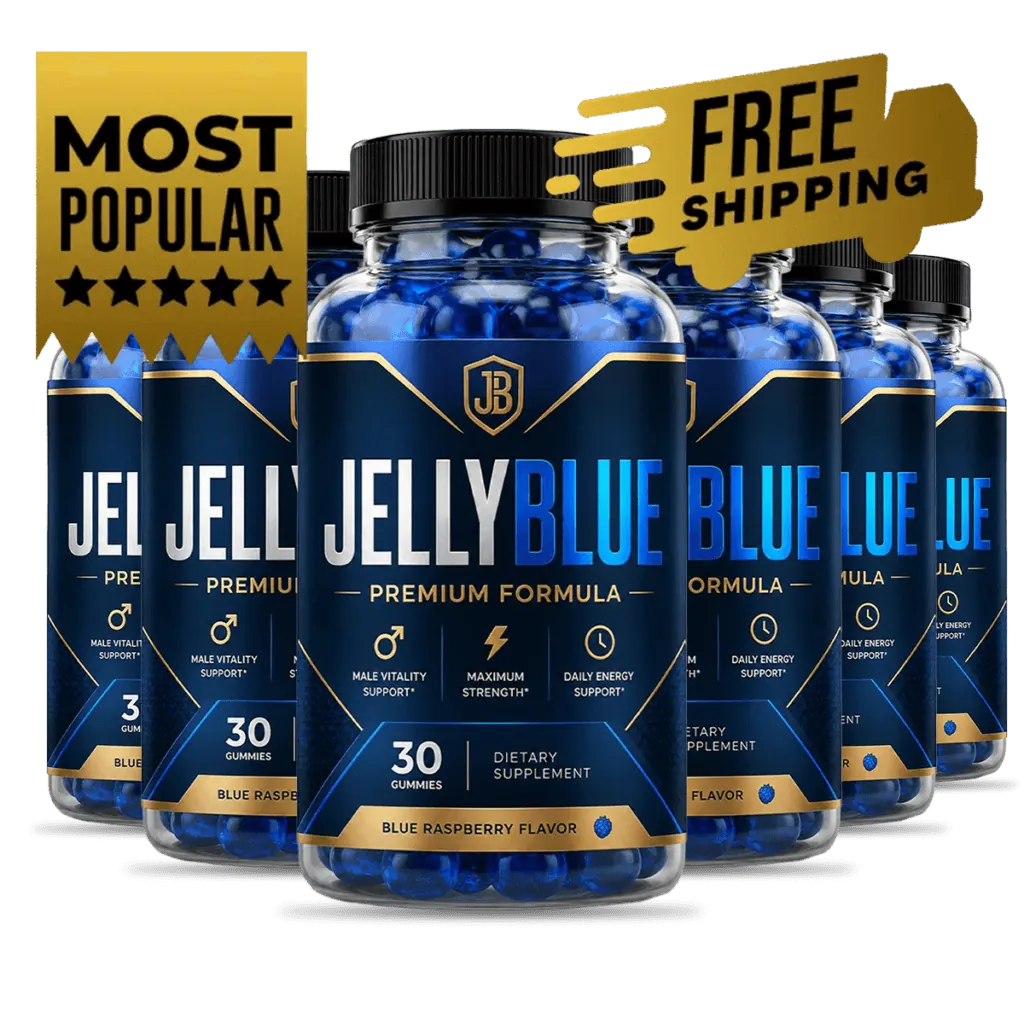
One gummy a day alongside the sleep, movement, nutrition and stress management that do the real work in men's health. Six ingredients, a convenient format, and a 60-day money-back guarantee on every order.
From $49 per bottle · Free US shipping on 3 & 6 bottles · Five bonus guides on qualifying orders