Tongkat Ali
Eurycoma longifoliaA Southeast Asian root used traditionally as a male tonic, and the ingredient with the most direct research on testosterone and stress hormones — though the trials are small.
Read moreAn entry point to all six ingredient pages, grouped by how strong the evidence behind each one actually is rather than by label order.
Six ingredients across three jobs. Reading them grouped by evidence tells you considerably more than taking them in the order the label lists them.
Ashwagandha stands apart. Multiple randomised, placebo-controlled trials have examined standardised root extracts for perceived stress, cortisol and sleep quality, with reasonably consistent findings. Sample sizes are modest and several trials are industry-funded, but by botanical standards this is strong.
L-arginine HCl converts to nitric oxide, which relaxes blood vessels. The biochemistry is textbook. The problem is that oral L-arginine is largely broken down before it reaches circulation, which is why studies use several grams a day.
Maca root has human trials on energy, mood and sexual function, notably working independently of testosterone. Grape seed extract has research on blood pressure and vascular function.
Tongkat ali has few and small human trials, some genuinely interesting on cortisol and fatigue in stressed adults, and quality problems in the supplement market that make sourcing matter.
Horny goat weed has extensive laboratory pharmacology for its icariin content and very little human clinical evidence at supplement doses. It is also the ingredient behind the formula's most important safety consideration.
All six ingredients are named. Not one amount is published anywhere, while the source simultaneously describes "optimal therapeutic doses" and "clinically-informed dosing". Those two things cannot both be checked.
In a gummy this matters more than it would in a capsule. A gummy is mostly gelling agent, sweetener and flavouring, and a typical one weighs only a few grams in total, leaving a small fraction for actives. The research doses for several of these ingredients are large. L-arginine trials commonly use several grams per day. Maca studies often use 1.5–3 g. Ashwagandha trials typically use 300–600 mg of extract, and tongkat ali 200–400 mg.
Adding those up exceeds what one gummy can plausibly hold. That does not mean the product contains nothing useful — but it does mean the claim of therapeutic dosing across all six ingredients in a single daily gummy is difficult to credit, and impossible to verify while no figures are published.
What each one is, the research context, its role here and the cautions attached to it.
A Southeast Asian root used traditionally as a male tonic, and the ingredient with the most direct research on testosterone and stress hormones — though the trials are small.
Read moreA Peruvian root vegetable eaten as a food for centuries, with a modest research record on energy, mood and sexual function that appears to work independently of testosterone.
Read moreThe best-evidenced ingredient in the formula, with reasonably consistent trials on stress, cortisol and sleep quality — and a safety consideration worth knowing about.
Read moreA traditional Chinese herb containing icariin. Its laboratory pharmacology is the reason this ingredient needs a genuine interaction warning rather than a marketing line.
Read moreAn amino acid the body converts into nitric oxide, which widens blood vessels. Well researched — and studied at doses measured in grams, which matters in a gummy.
Read moreA source of oligomeric proanthocyanidins with genuine antioxidant activity and some human research on blood pressure and vascular function.
Read moreEach page below characterises its ingredient's evidence honestly, including where that evidence is thinner than the marketing implies. Two of the six get notably critical treatment, which is what the literature supports.
The studies described here examined individual ingredients, on their own, at doses the researchers chose. That research explains why an ingredient is a reasonable thing to include in a formula.
It does not demonstrate that JellyBlue produces the same outcomes. No clinical trial of this finished gummy has been published, and the amounts it contains are not disclosed, so ingredient research cannot be transferred to the product.
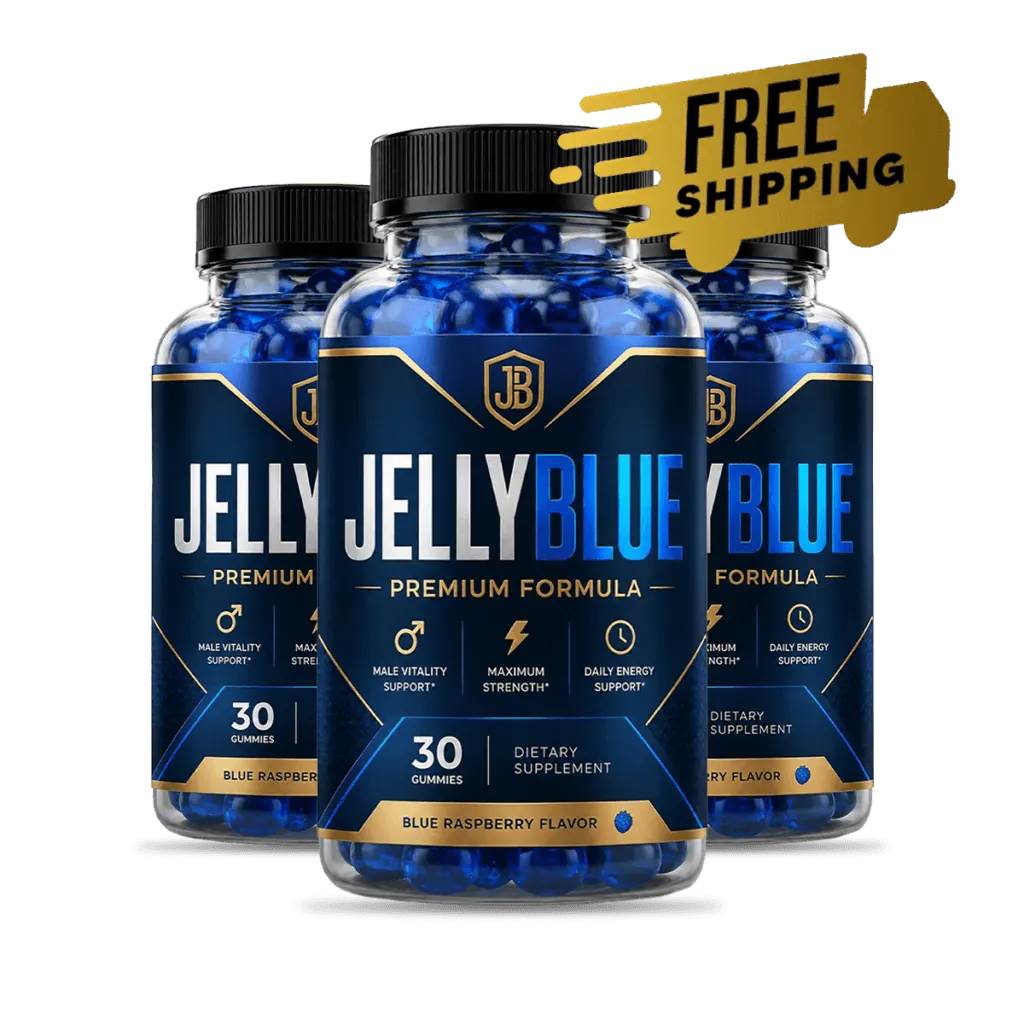

Every order is covered by a 60-day money-back guarantee running from the date of purchase. The brand describes the process as simple: contact its support address, and a refund is issued without a lengthy return procedure.
Sixty days is a reasonable window for this category, and it is long enough to give a daily supplement a fair trial rather than judging it in the first fortnight.
The published wording asks you to use the product daily for at least 30 days before claiming. That is a fair request for a gradual product, and it is worth knowing before you order, because it halves your effective decision window.
Two details are not spelled out: whether the 60 days runs from order or delivery, and whether anything needs returning. Neither is unusual to omit, and both are worth reading at the checkout rather than assuming.
The six-bottle package holds 180 days of product against a 60-day window, so on that tier the guarantee closes with four bottles unopened. Note your purchase date and set a reminder for around day 50.
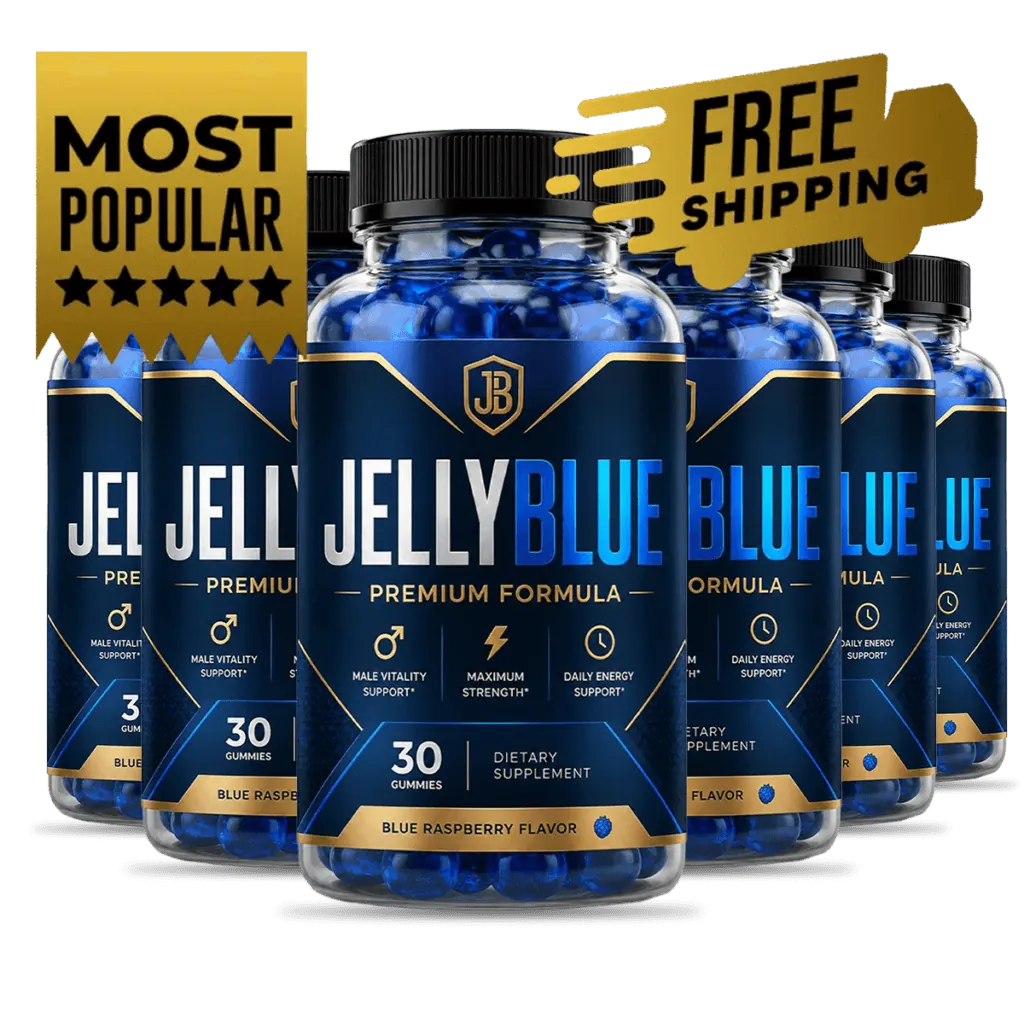
One gummy a day alongside the sleep, movement, nutrition and stress management that do the real work in men's health. Six ingredients, a convenient format, and a 60-day money-back guarantee on every order.
From $49 per bottle · Free US shipping on 3 & 6 bottles · Five bonus guides on qualifying orders