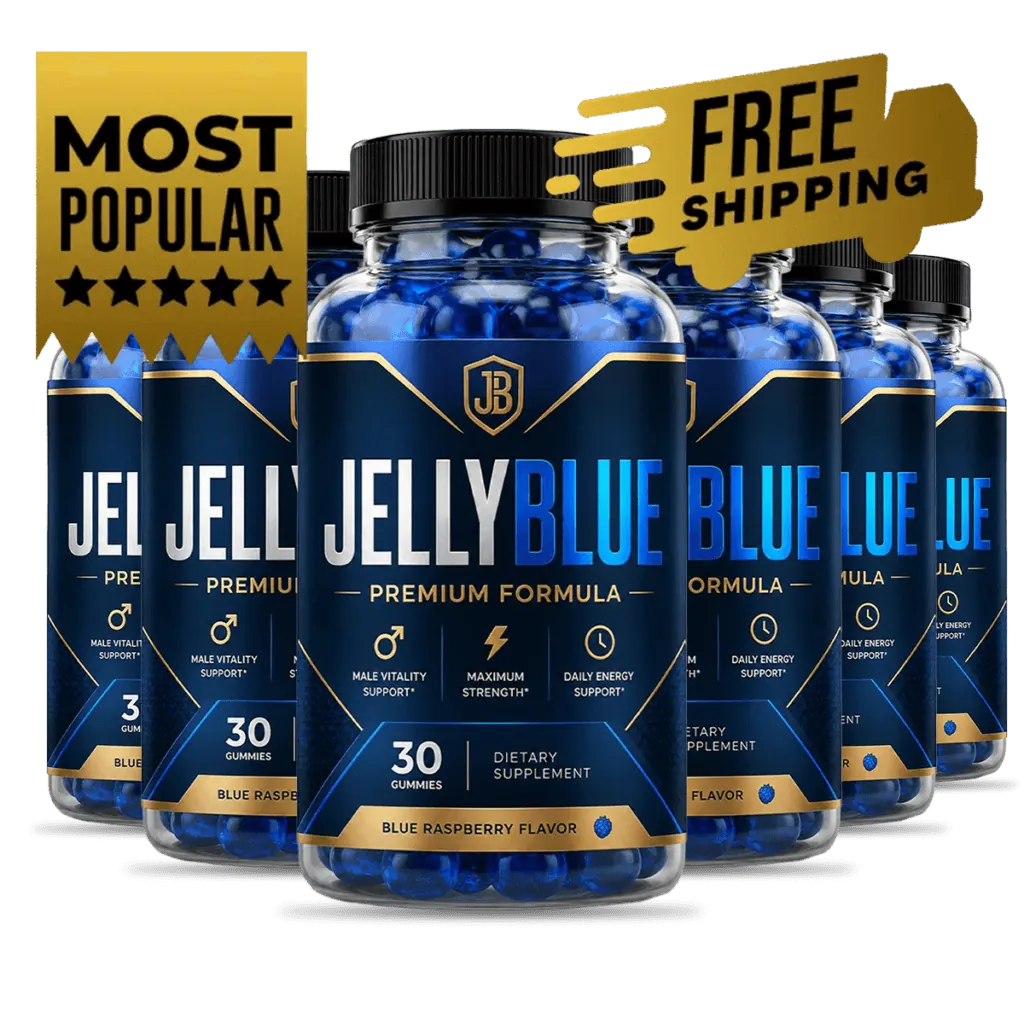
Ashwagandha, Stress and Recovery
If you read one ingredient article on this site, make it this one. Both the evidence and the caution are real.
What Ashwagandha Is, Before the JellyBlue Framing
Ashwagandha is Withania somnifera, a shrub used in Ayurvedic practice for centuries. The root is the medicinal part, and its active compounds are withanolides, a group of steroidal lactones.
Quality supplements state a withanolide percentage, and clinical trials have almost always used specific standardised branded extracts rather than plain root powder. That distinction matters when comparing a product to the research.
Why Ashwagandha Has the Best Evidence in JellyBlue
Stress and cortisol. Multiple randomised, double-blind, placebo-controlled trials have examined standardised root extracts at 300–600 mg daily over six to eight weeks. Several report meaningful reductions in perceived stress scale scores and in serum cortisol. Independent replication across different research groups is better than most botanical ingredients manage.
Sleep. Trials report improved sleep quality, reduced sleep latency and better subjective restfulness, including in people with diagnosed insomnia. Meta-analyses have found a small but statistically significant benefit.
Exercise. Some trials in men following resistance training programmes report greater strength gains and improved recovery versus placebo — note, alongside training, not instead of it.
Hormones. The testosterone findings the category quotes most loudly are the weakest part of the evidence: small trials, often in stressed or infertile men rather than healthy ones, not consistently replicated.
The limitations throughout: modest sample sizes, many trials conducted by groups with extract-manufacturer relationships, and results tied to specific extracts at stated doses.
Why Stress and Sleep Matter More Than the JellyBlue Marketing Suggests
Worth spelling out, because it reframes the whole product.
Chronic stress elevates cortisol, and cortisol antagonises testosterone. Poor sleep independently reduces testosterone — measurably, within a week of restriction in controlled studies. Both degrade mood, motivation, appetite regulation, training recovery and cognitive performance.
So an ingredient that genuinely improves stress and sleep is addressing an upstream cause of most of what this product category sells solutions for. That is a more defensible proposition than any of the direct claims.
It also means the honest way to evaluate a product like this is to watch your sleep, not to look for a dramatic change in anything else.
The Ashwagandha Safety Point Every JellyBlue Buyer Should Know
Ashwagandha is generally well tolerated, and it has considerations more serious than most botanicals. These get little attention in supplement marketing.
Liver injury has been reported. There is a documented set of case reports of ashwagandha-associated liver injury, some serious, and several national regulators have issued advisories about it. It appears rare and is often reversible on stopping, but it is real. Stop and seek medical advice if you develop jaundice, dark urine, persistent nausea, abdominal pain or unexplained fatigue.
Thyroid. Ashwagandha can raise thyroid hormone levels. Anyone with a thyroid condition or on thyroid medication should speak to a doctor first.
Autoimmune conditions, sedatives and surgery all warrant caution or medical advice.
None of this makes it a dangerous ingredient. It does mean any page claiming a formula containing it has no side effects is not being straight with you.
JellyBlue safety: the interactions worth checking first
This formula is not a neutral multivitamin. Several ingredients affect blood vessels, blood pressure or hormones, and the source's own comparison table claims "no side effects", which is not something any supplement can support.
- If you take nitrates or nitric-oxide-donating heart medication, speak to a doctor before using this product. L-arginine widens blood vessels, and epimedium's icariin has vasodilatory activity in laboratory work. Combining vessel-dilating substances with nitrates can cause a dangerous drop in blood pressure.
- The same applies to blood pressure medication and to prescription erectile dysfunction medicines, for the same reason.
- Ashwagandha has case reports of liver injury, can raise thyroid hormone levels, may add to sedatives, and is generally advised against in autoimmune thyroid conditions. Stop and seek advice if you notice jaundice, dark urine or unusual fatigue.
- Grape seed extract and L-arginine may both affect bleeding, so mention them if you take anticoagulants or have surgery planned.
- Tongkat ali is not advised in hormone-sensitive conditions, and supplement-market samples have historically had quality and contamination problems, so sourcing matters.
- L-arginine may trigger recurrences in people prone to cold sores or genital herpes, and should be used cautiously after a recent heart attack.
- These are gummies. They contain sugar or sweeteners, which is worth knowing if you manage blood glucose, and they need keeping away from children, for whom this product is not intended.
This is an adult men's product. Speak to a doctor or pharmacist before starting it, particularly alongside any prescription — advice the brand gives as well.
More JellyBlue Articles
The JellyBlue Male Vitality Guide
A plain walkthrough of what the product is, what it can reasonably do, and the four things to check before buying.
FoundationsDaily Habits for Men's Energy
What actually determines how much energy you have, and the handful of habits that move it most.
FoundationsMen's Wellness and Healthy Circulation
Why circulation matters more than most men realise, and what genuinely improves it.
Ingredient guideUnderstanding Tongkat Ali
What the research actually shows, and why sourcing matters more for this ingredient than most.
Make JellyBlue Part of Your Daily Routine
One gummy a day alongside the sleep, movement, nutrition and stress management that do the real work in men's health. Six ingredients, a convenient format, and a 60-day money-back guarantee on every order.
From $49 per bottle · Free US shipping on 3 & 6 bottles · Five bonus guides on qualifying orders