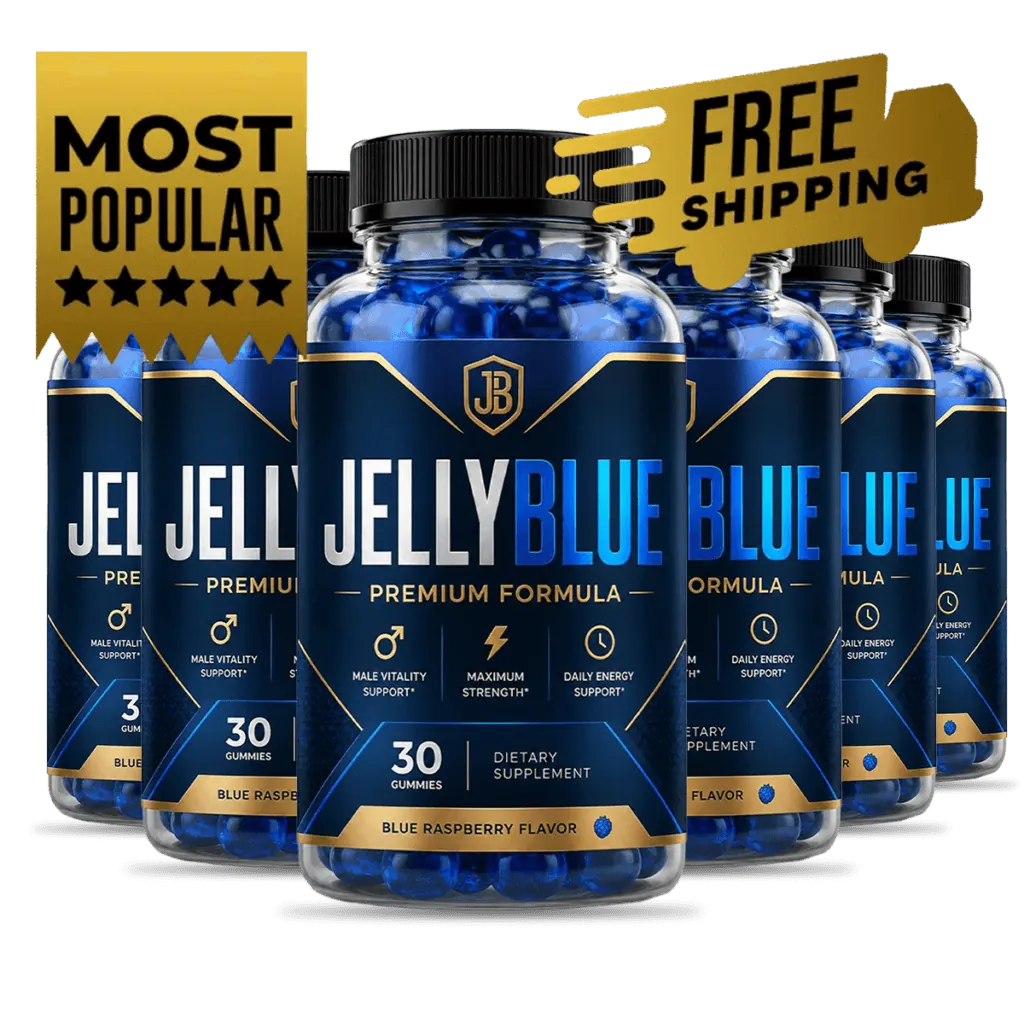
L-Arginine and Circulation Support
The mechanism is not in doubt. Getting enough of it into your bloodstream is the entire question.
What L-Arginine Is, Beyond the JellyBlue Label
L-arginine is a conditionally essential amino acid found in meat, fish, dairy, nuts and legumes. The HCl form used in supplements is simply the hydrochloride salt.
Its significance is as the direct precursor to nitric oxide. The enzyme nitric oxide synthase converts arginine to nitric oxide, which signals smooth muscle in blood vessel walls to relax, widening the vessel and increasing blood flow.
The discovery of nitric oxide as a signalling molecule in the cardiovascular system won the Nobel Prize in Physiology or Medicine in 1998. This is not contested science.
The L-Arginine Delivery Problem Behind Every JellyBlue Claim
Here is the part that decides whether any of it matters in practice.
Orally taken L-arginine undergoes extensive first-pass metabolism. A substantial proportion is broken down by the enzyme arginase in the gut wall and the liver before it ever reaches general circulation. What you swallow and what reaches your blood vessels are very different quantities.
This is precisely why clinical trials use large doses — commonly 3 to 6 grams daily, sometimes more, often split across the day. It is also why many researchers now prefer L-citrulline, which converts to arginine in the kidneys and bypasses much of that first-pass breakdown, achieving higher blood arginine levels from smaller doses.
Meta-analyses of oral L-arginine have reported modest reductions in blood pressure and some improvement in endothelial function — at those gram-level doses.
What That Means for L-Arginine in a JellyBlue Gummy
A gummy typically weighs a few grams in total, the majority of which is gelling agent, sweetener, colouring and flavouring. What remains for active ingredients is a modest fraction — and here it is shared between six ingredients.
Delivering several grams of L-arginine in one gummy is not physically possible. Whatever is present will be a fraction of the studied dose, and no figure is published to check.
That is not a reason to dismiss the product entirely. It is a reason to be realistic about which of its claims the L-arginine can plausibly support, and to know that standalone L-citrulline or L-arginine at studied doses is inexpensive if this is what interests you.
The JellyBlue amounts are not published — and the format makes that matter
All six ingredients are named. Not one amount is published anywhere, while the source simultaneously describes "optimal therapeutic doses" and "clinically-informed dosing". Those two things cannot both be checked.
In a gummy this matters more than it would in a capsule. A gummy is mostly gelling agent, sweetener and flavouring, and a typical one weighs only a few grams in total, leaving a small fraction for actives. The research doses for several of these ingredients are large. L-arginine trials commonly use several grams per day. Maca studies often use 1.5–3 g. Ashwagandha trials typically use 300–600 mg of extract, and tongkat ali 200–400 mg.
Adding those up exceeds what one gummy can plausibly hold. That does not mean the product contains nothing useful — but it does mean the claim of therapeutic dosing across all six ingredients in a single daily gummy is difficult to credit, and impossible to verify while no figures are published.
L-Arginine Safety Alongside JellyBlue
L-arginine is a dietary amino acid with a reasonable safety record, and it has real interactions worth knowing.
- Nitrates. Nitrate medications for angina work by donating nitric oxide. Combining them with substances that amplify that pathway can cause a dangerous drop in blood pressure. Speak to a doctor first.
- Blood pressure medication and prescription erectile dysfunction medicines carry the same concern.
- Recent heart attack. A trial of high-dose L-arginine following myocardial infarction was halted early over safety concerns.
- Herpes simplex. Arginine can promote herpes virus replication, so people prone to cold sore or genital herpes recurrences may find it triggers outbreaks.
- Bleeding and surgery warrant caution.
When a JellyBlue-style supplement is the wrong answer
Persistent fatigue, loss of drive, or difficulty with erections can be early signs of something a doctor should look at — including cardiovascular disease, diabetes, thyroid problems, sleep apnoea, depression, or genuinely low testosterone. Erectile difficulty in particular is a recognised early marker of vascular disease.
A supplement cannot diagnose any of that, and taking one instead of getting checked can delay finding something treatable. If these problems are persistent, new, or worrying you, see a doctor first. A blood test and a blood pressure reading tell you more than any product page can.
More JellyBlue Articles
The JellyBlue Male Vitality Guide
A plain walkthrough of what the product is, what it can reasonably do, and the four things to check before buying.
FoundationsDaily Habits for Men's Energy
What actually determines how much energy you have, and the handful of habits that move it most.
FoundationsMen's Wellness and Healthy Circulation
Why circulation matters more than most men realise, and what genuinely improves it.
Ingredient guideUnderstanding Tongkat Ali
What the research actually shows, and why sourcing matters more for this ingredient than most.
Make JellyBlue Part of Your Daily Routine
One gummy a day alongside the sleep, movement, nutrition and stress management that do the real work in men's health. Six ingredients, a convenient format, and a 60-day money-back guarantee on every order.
From $49 per bottle · Free US shipping on 3 & 6 bottles · Five bonus guides on qualifying orders