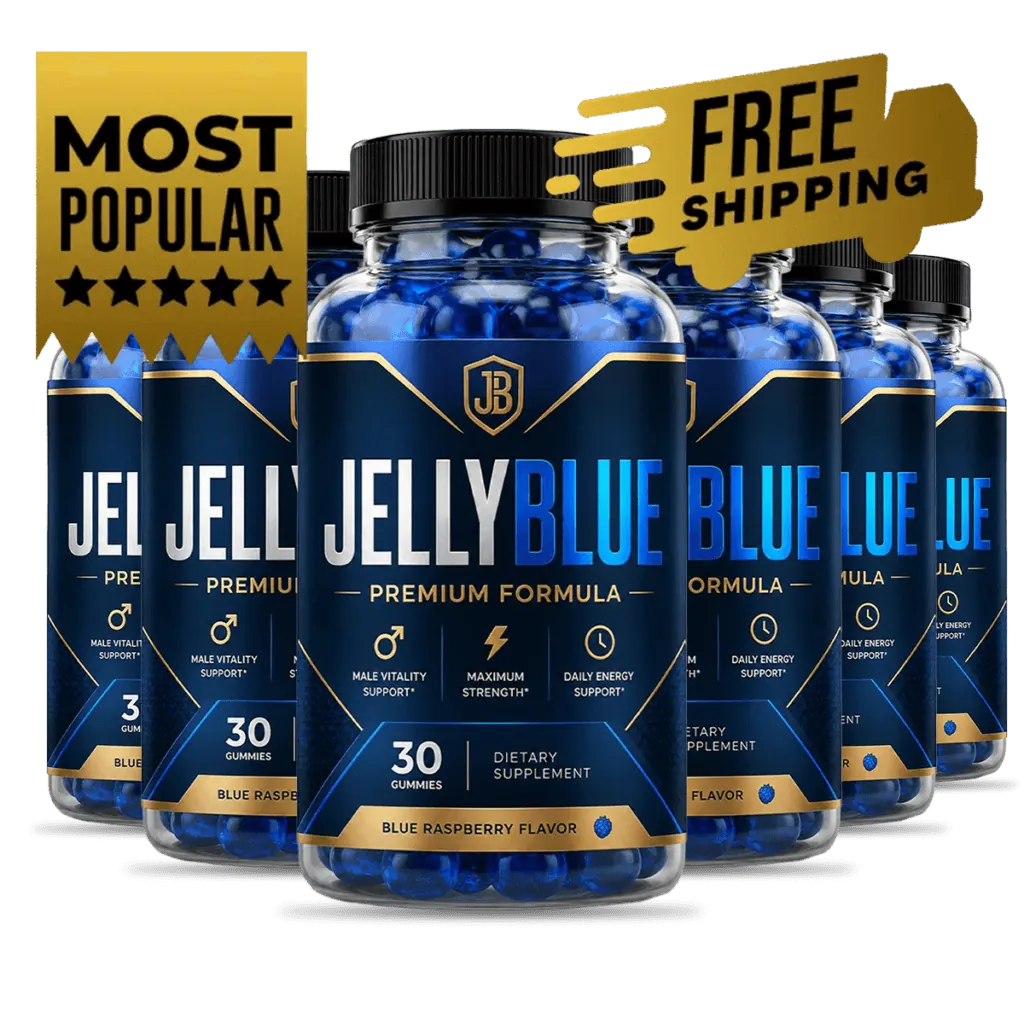
Men's Wellness and Healthy Circulation
Vascular health quietly determines a great deal — including things men usually attribute to hormones.
What Circulation Actually Does, Beyond Any JellyBlue Claim
Blood delivers oxygen and nutrients and removes waste. That is obvious. What is less obvious is how much of what men experience as ageing is vascular rather than hormonal.
The lining of your blood vessels, the endothelium, is an active organ. It produces nitric oxide, which signals the vessel to relax and widen. When endothelial function declines — through smoking, high blood pressure, high blood glucose, poor lipids, inactivity or simply age — that signalling weakens and vessels become less responsive.
That process affects exercise capacity, recovery, cognition and sexual function, often before it produces any obvious cardiovascular symptom.
Why Erectile Difficulty Is a Circulation Signal, Not Just a JellyBlue Target
This is the most useful thing in this article, and the supplement industry has little incentive to tell you.
Erectile function depends on blood flow through relatively small arteries. Because those vessels are smaller than the coronary arteries, endothelial dysfunction tends to show up there first.
Erectile difficulty is therefore recognised in cardiology as an early marker of cardiovascular disease, often preceding a cardiac event by several years. It can also signal diabetes, high blood pressure, or medication side effects.
Which means treating it with a supplement can mean missing a warning. If this is a new or persistent problem, it warrants a doctor's appointment — a blood pressure reading, a glucose test and a lipid panel — not a gummy.
When a JellyBlue-style supplement is the wrong answer
Persistent fatigue, loss of drive, or difficulty with erections can be early signs of something a doctor should look at — including cardiovascular disease, diabetes, thyroid problems, sleep apnoea, depression, or genuinely low testosterone. Erectile difficulty in particular is a recognised early marker of vascular disease.
A supplement cannot diagnose any of that, and taking one instead of getting checked can delay finding something treatable. If these problems are persistent, new, or worrying you, see a doctor first. A blood test and a blood pressure reading tell you more than any product page can.
What Genuinely Improves Circulation Alongside JellyBlue
The interventions with real evidence are unglamorous and consistent.
Aerobic exercise improves endothelial function measurably, and does so within weeks. It is the most reliable non-pharmaceutical intervention available.
Not smoking matters enormously; smoking damages the endothelium directly.
Blood pressure control, whether through lifestyle or medication, protects vessel walls over time.
Dietary pattern — Mediterranean-style eating, with vegetables, olive oil, fish and nuts — has the best evidence, partly through dietary nitrates in leafy greens and beetroot, which the body converts to nitric oxide.
Weight and glucose control both reduce the metabolic burden on blood vessels.
Where JellyBlue's Circulation Ingredients Fit
L-arginine is a genuine nitric oxide precursor, and grape seed extract has some human research on blood pressure and vascular function. Neither is a marketing invention.
The limitation is dose and delivery. Oral L-arginine is heavily metabolised before it reaches circulation, which is why research uses several grams a day — considerably more than a gummy can hold.
If nitric oxide support genuinely interests you, dietary nitrate from leafy greens and beetroot, standalone L-citrulline, and aerobic exercise all have better evidence per pound spent.
The JellyBlue amounts are not published — and the format makes that matter
All six ingredients are named. Not one amount is published anywhere, while the source simultaneously describes "optimal therapeutic doses" and "clinically-informed dosing". Those two things cannot both be checked.
In a gummy this matters more than it would in a capsule. A gummy is mostly gelling agent, sweetener and flavouring, and a typical one weighs only a few grams in total, leaving a small fraction for actives. The research doses for several of these ingredients are large. L-arginine trials commonly use several grams per day. Maca studies often use 1.5–3 g. Ashwagandha trials typically use 300–600 mg of extract, and tongkat ali 200–400 mg.
Adding those up exceeds what one gummy can plausibly hold. That does not mean the product contains nothing useful — but it does mean the claim of therapeutic dosing across all six ingredients in a single daily gummy is difficult to credit, and impossible to verify while no figures are published.
More JellyBlue Articles
The JellyBlue Male Vitality Guide
A plain walkthrough of what the product is, what it can reasonably do, and the four things to check before buying.
FoundationsDaily Habits for Men's Energy
What actually determines how much energy you have, and the handful of habits that move it most.
Ingredient guideUnderstanding Tongkat Ali
What the research actually shows, and why sourcing matters more for this ingredient than most.
Ingredient guideMaca Root and Men's Wellness
A food-history ingredient with a genuinely interesting finding: it appears to work without touching testosterone.
Make JellyBlue Part of Your Daily Routine
One gummy a day alongside the sleep, movement, nutrition and stress management that do the real work in men's health. Six ingredients, a convenient format, and a 60-day money-back guarantee on every order.
From $49 per bottle · Free US shipping on 3 & 6 bottles · Five bonus guides on qualifying orders